A nature day on the Space Coast can be built around a modest ambition: spend enough time in one landscape to begin noticing it. Merritt Island National Wildlife Refuge and Canaveral National Seashore offer different ways to do that. Decide whether you want to watch wildlife, follow a walking route or spend time near the shore, then organize access around that choice.
Choose one main outing
The refuge and national seashore are separate managed places, so give each its own planning check. For the refuge, start with the U.S. Fish and Wildlife Service visitor information. For the seashore, use the National Park Service’s basic information. A map showing two nearby places does not establish that their entrances, passes, facilities or access conditions are interchangeable.

Dolphin and Manatee Adventure Tour of Merritt Island
Come join us as we paddle down the beautiful waterways of Cocoa Beach and get an up close and personal experience with the amazing nature, beauty and...

Private Cape Canaveral Inshore Fishing Charter
Experience Cape Canaveral by exploring the backwaters of Banana River which has an abundance of Red Drum, Snook, B...

Manatee and Dolphin Kayak Tour - Wildlife Refuge (Titusville)
It’s an encounter unlike any other as you spend the morning floating gently in the endangered manatee’s favorite...

Dolphin and Manatee Boat Tour near Cocoa Beach and Port Canaveral
See Florida’s Space Coast from the water on a relaxed, small-group dolphin and manatee tour with just six guests p...
Choose a main activity that fits the least ambitious version of the day. You can add another stop if time and conditions allow. Starting with two essential outings makes a closure, a long pause or a tired traveler harder to accommodate. Starting with one gives you a clear measure of a satisfying day.
Make a small set of decisions before leaving
Use this checklist to turn a broad destination idea into an outing you can follow. Save the information somewhere you can consult without having to rebuild the plan while standing beside the road.
- Choose the route.
- Save the actual entrance and a permitted stopping or parking location.
- Check the route’s current access and the relevant pass requirements.
- Identify where you will turn back or finish.
- Match the outing to the group.
- Ask about surfaces, steps and the distance from parking to the experience.
- Decide what to carry for time outside and for a comfortable return.
- Choose a shorter option if someone needs it.
- Keep a workable alternative.
- Use current official alerts to decide whether the original plan still fits.
- Pick an alternative that also suits the weather and your energy.
- Let someone know the intended return arrangement.
Let birdwatching be an exercise in attention
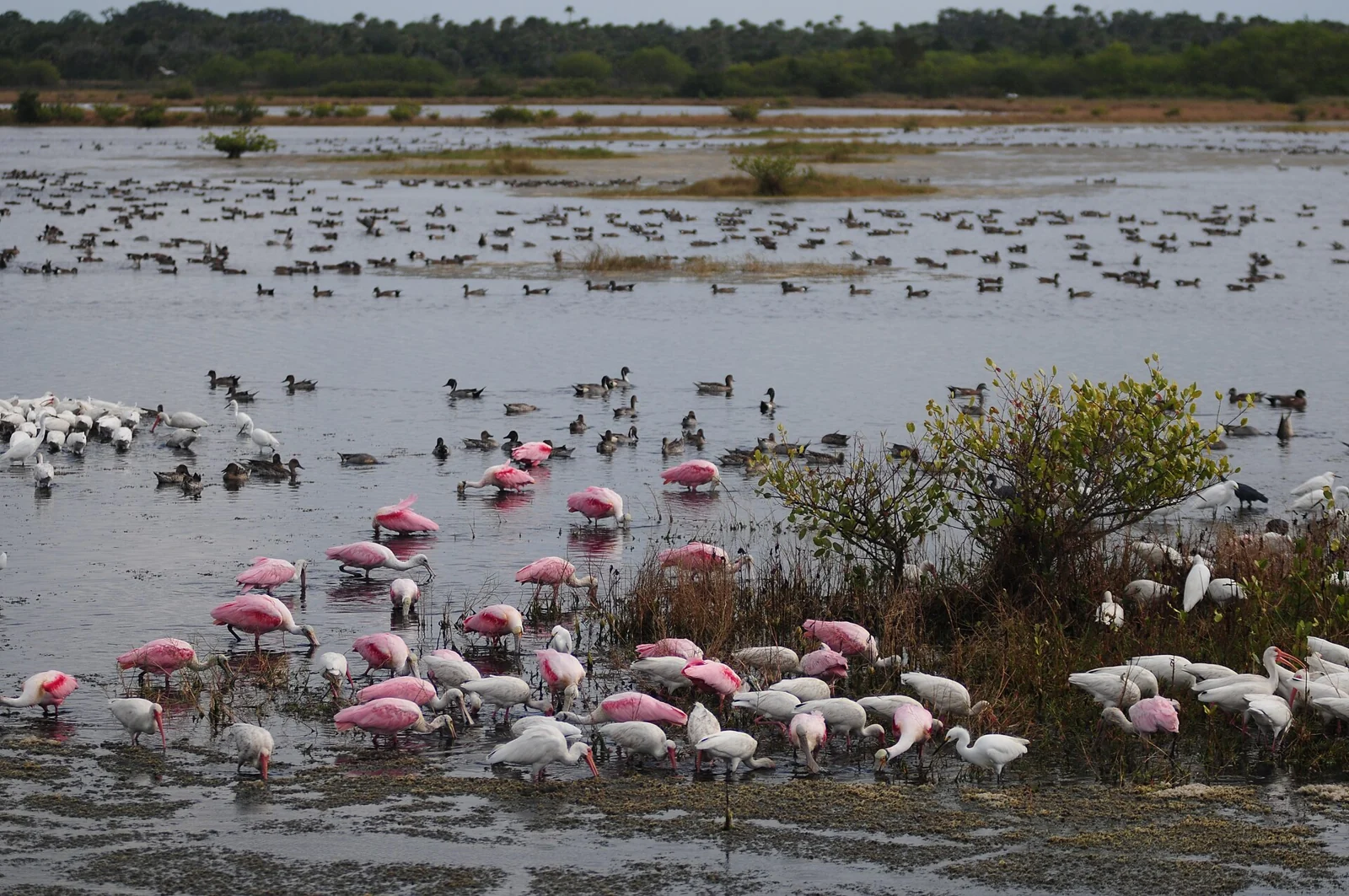
The refuge’s birding guidance describes a range of habitats, including marshes, shorelines, hammocks and uplands. That variety is a reason to choose a setting and observe it carefully. You do not need to identify every bird for the outing to be worthwhile. Notice the differences in how birds move, feed or gather, and use a field guide afterward to investigate what you saw.
Bring binoculars if you have them, and give observation more time than photography setup. Stay in permitted visitor areas and leave animals room to continue their normal behavior. Avoid turning a photograph of a large flock into an expectation for your own visit. Wildlife moves, conditions vary and a quiet stretch can still reward patient attention.
Check the surface, not only the distance
For a walking plan, read the refuge’s hiking information. It notes that routes can include boardwalk, footpath or grass surfaces. A route described as generally flat is not automatically a suitable route for every mobility need. Ask about the specific conditions that matter to you rather than assuming that a short distance means an easy outing.
Set a turnaround point that leaves enough energy for the return. Allow time to look and listen instead of treating the path as something to complete as quickly as possible. If you are traveling with children, a few observations they can describe afterward may be more valuable than covering a longer route.
Give the seashore its own access check
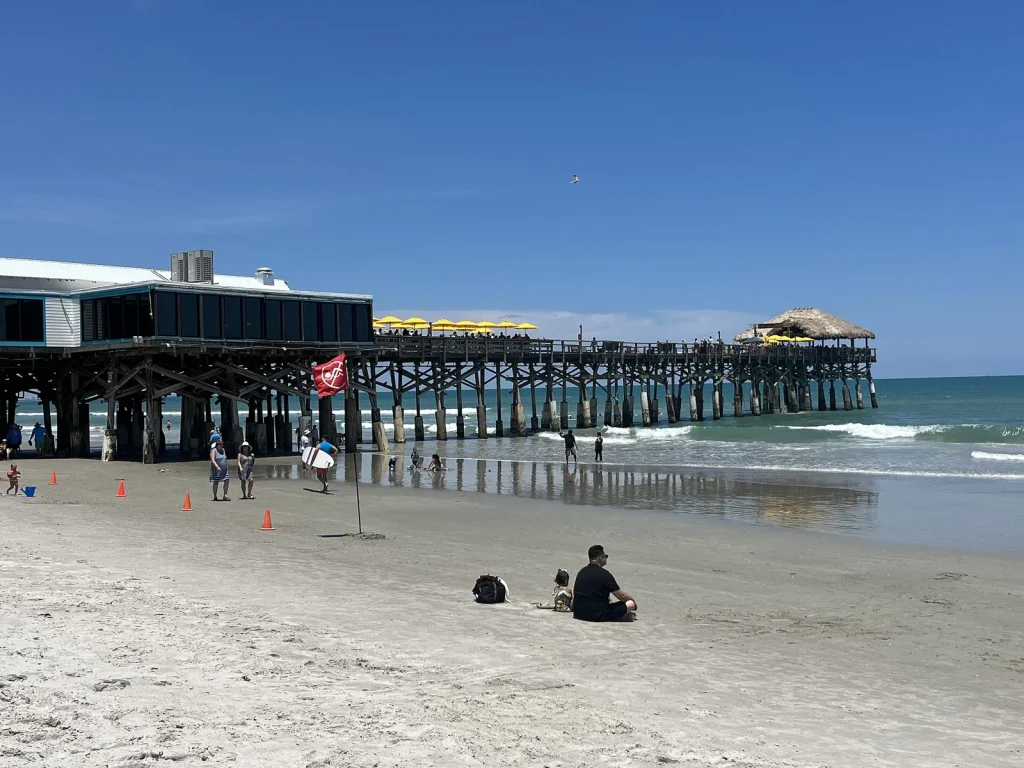
Canaveral National Seashore includes coastal habitats beyond the ocean beach. Choose the particular setting you want, then consult current park alerts and conditions. Do not use an old photograph, an earlier trip report or a general map marker as evidence that a specific boardwalk, facility or parking area is available now.
Launch operations can also affect a nature outing. The NPS launch-viewing page explains restrictions around Playalinda; the refuge separately notes that NASA operations can limit visitor access. Check both places independently if you hope to combine them. A closed route is a reason to use another permitted plan, not to look for a way around the restriction.

Thousand Island Mangrove Tunnel, Manatee & Dolphin Kayak Tour w/Cocoa Kayaking
Kayak through the Thousand Islands with Cocoa Kayaking! Paddle amongst the West Indian Manatees, Bottlenose Dolphins...

Mangrove Tunnels, Dolphins, Manatee Tour #1 Rated in Cocoa Beach
#1 rated Fin Expeditions' goal is to treat everyone like family. Come experience and learn about the magical mangrov...

Wizard of OZ Museum tour
The Wizard of Oz Museum invites families to step into a fantastical celebration of the cherished American fairy tale...
Leave enough time to return comfortably
Water, sun protection and the prospect of changing weather belong in the plan, even when the intended stop is brief. Check the forecast and the site’s instructions before leaving. Keep essential items easy to reach, and make sure the group knows how to finish early if necessary.
If the day calls for something different, the Cocoa Beach and Historic Cocoa Village guide can help you choose another type of outing. For the wider trip, use the first-visit planning guide. A nature day can remain simple: one suitable route, a careful access check and time to notice what is there.
Dolphin and Manatee Adventure Tour of Merritt Island
Come join us as we paddle down the beautiful waterways of Cocoa Beach and get an up close and personal experience with the amazing nature, beauty and...

Private Orlando Deep Sea Fishing Charter
Trade Orlando's attractions for an exciting day on the Atlantic with a private deep sea fishing charter departing fr...

Dolphin Adventure Sail in Cocoa Beach
Experience the Magic of Cocoa Beach with Our Dolphin Adventure Sail! Join Cocoa Beach Catamaran for an unforgettabl...

Cocoa Beach Dolphin and Wildlife Tour
This is a relaxing 2-hour tour through the Cocoa Beach Thousand Islands behind Cocoa Beach. These are a chain of Man...